Remnants of wartime Keighley

Wartime Keighley.

This is a video filmed by Alwyn Pickles and narrated by Desmond Jackson of Keighley. It was posted on YouTube in 2011 and in the video they have recorded many of Keighley’s wartime features, several of which no long exist due to demolition of the buildings.
We will add photos on here as and when we find these remaining features, along with some others we know about locally.


Painted signs on the side of the old Ritz Cinema on Alice Street in Keighley.

These are mentioned in the ‘Wartime Keighley’ video at the

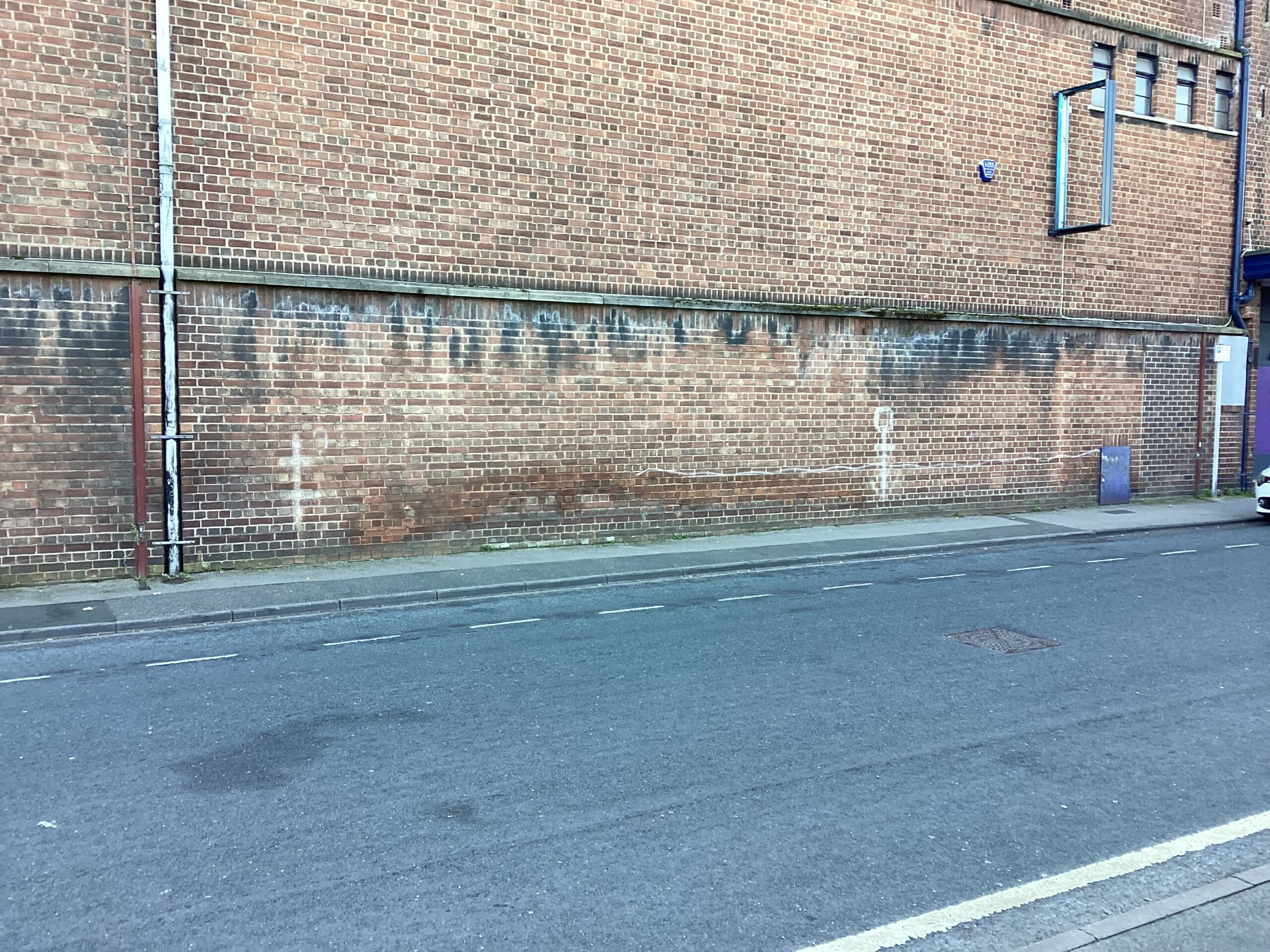
A brick wall of a building at the side of a tarmac road. The wall has white painted markings on it from the Second World War which show where emergency water supplies were located.
The side of the Bingo Hall on Alice Street.

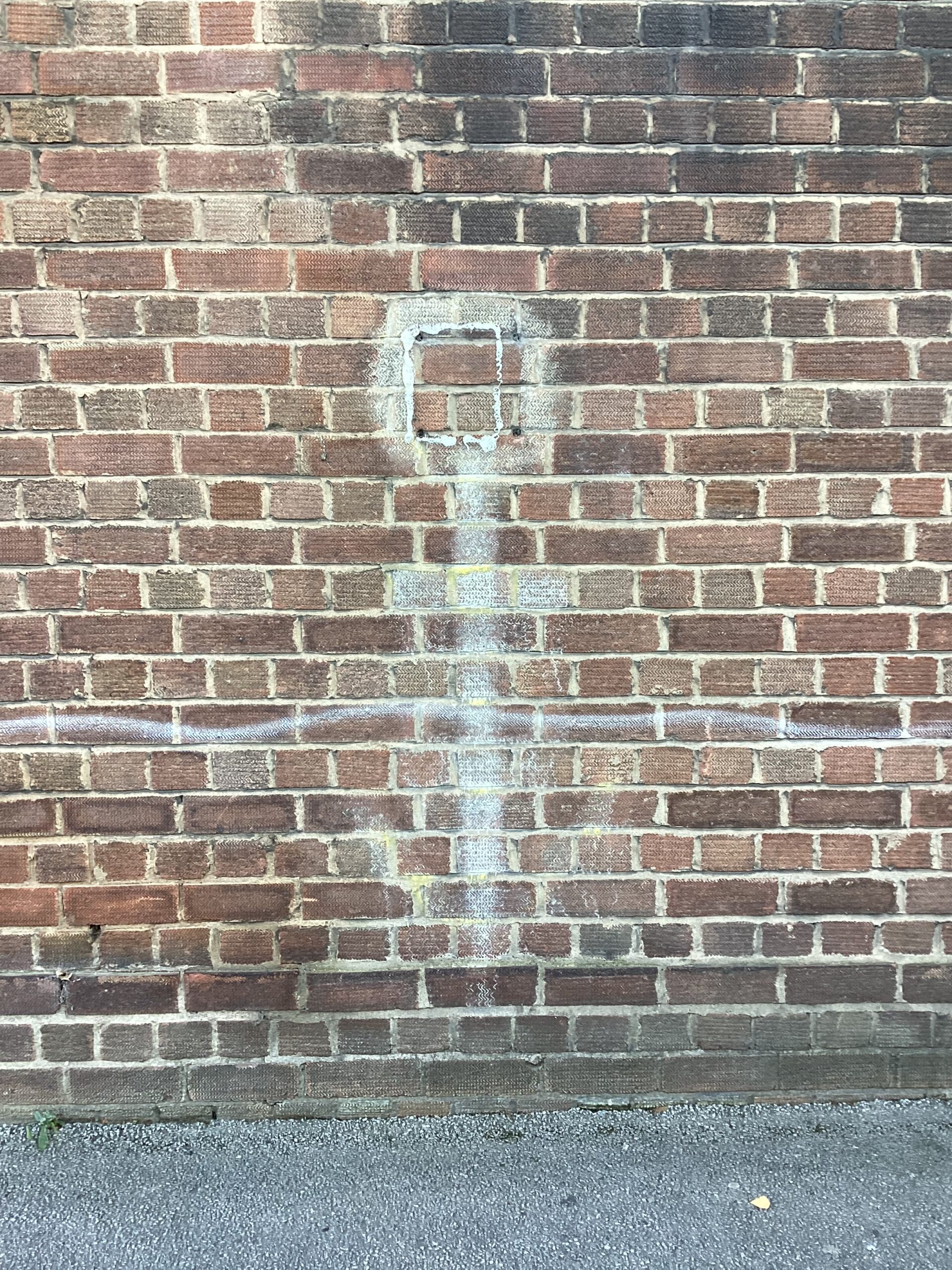
A close up of a white painted arrow marking showing the location of an emergency water supply. This is on a brick wall building.
A white painted emergency water supply location arrow.

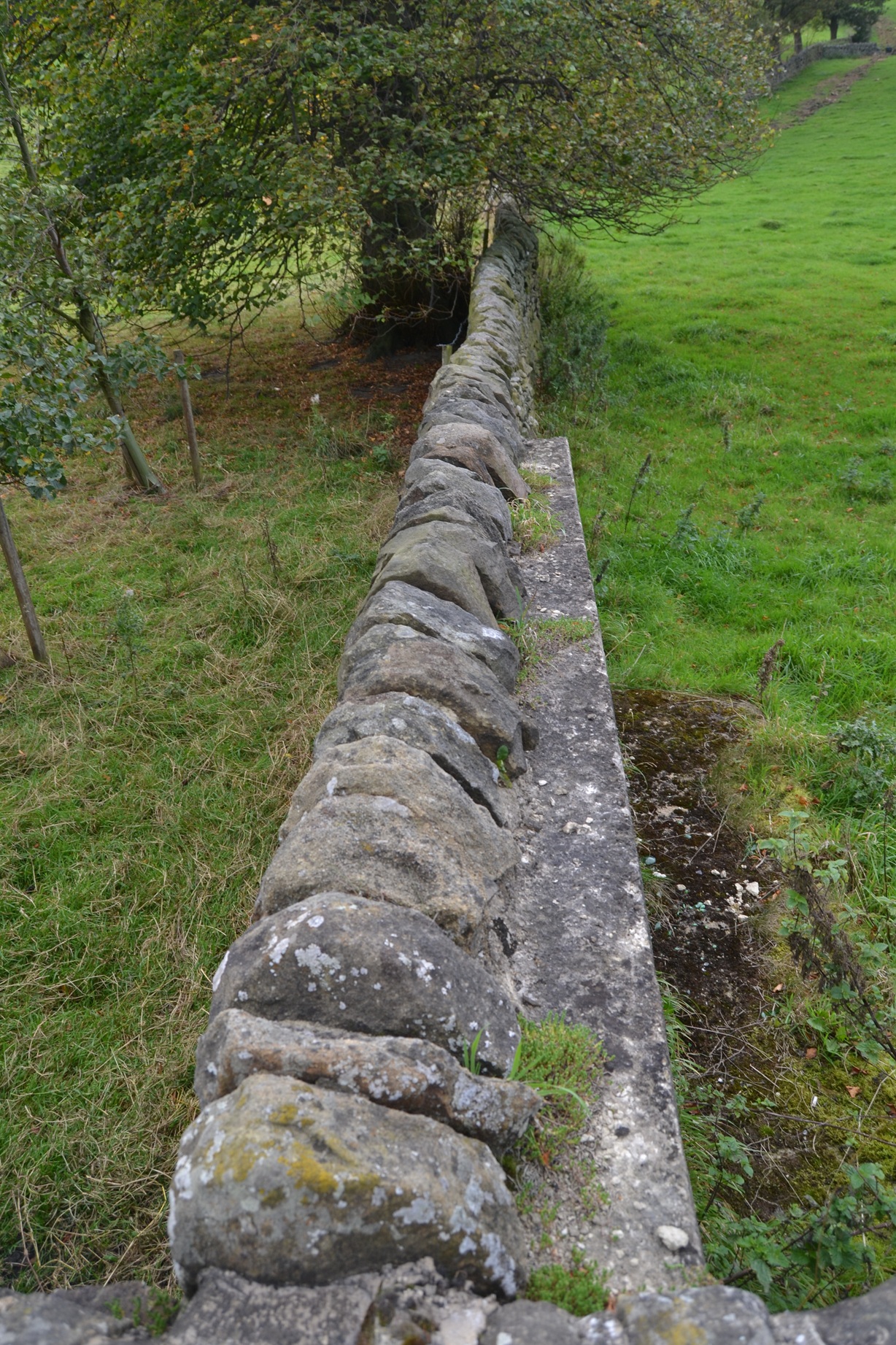
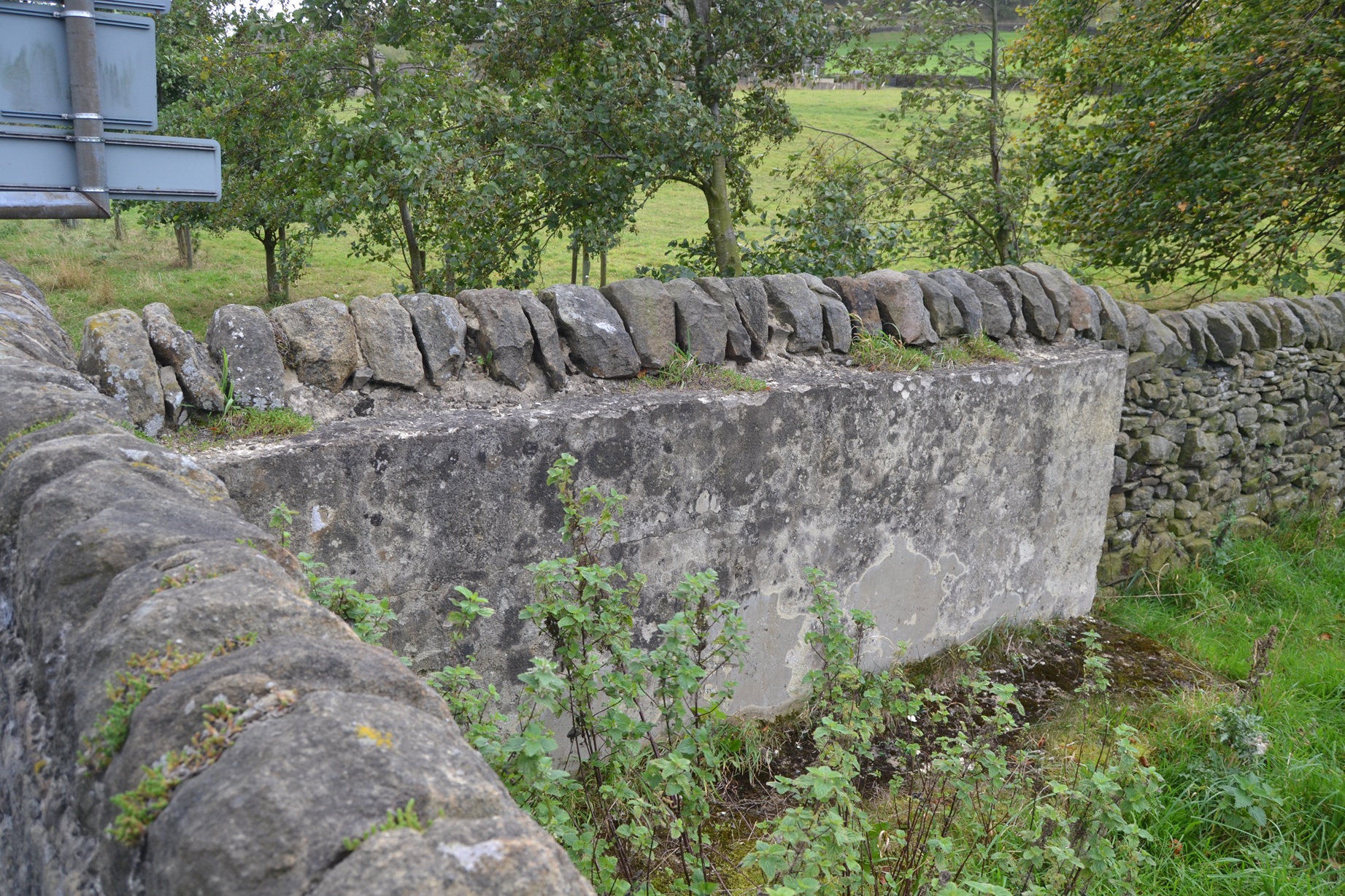
Reinforced concrete wall on the approach road to Sutton in Craven.

The information on this wall was supplied by Councillor Laurence Brocklesby, who was also Chairman of Keighley and District Local History Society. Laurence told us that it was put in place by for the local home defence and he remembers it being used by the local Home Guard unit (although this could have been Army Territorial units.) Sutton had a large mill during the wall which still exists but is now apartments.

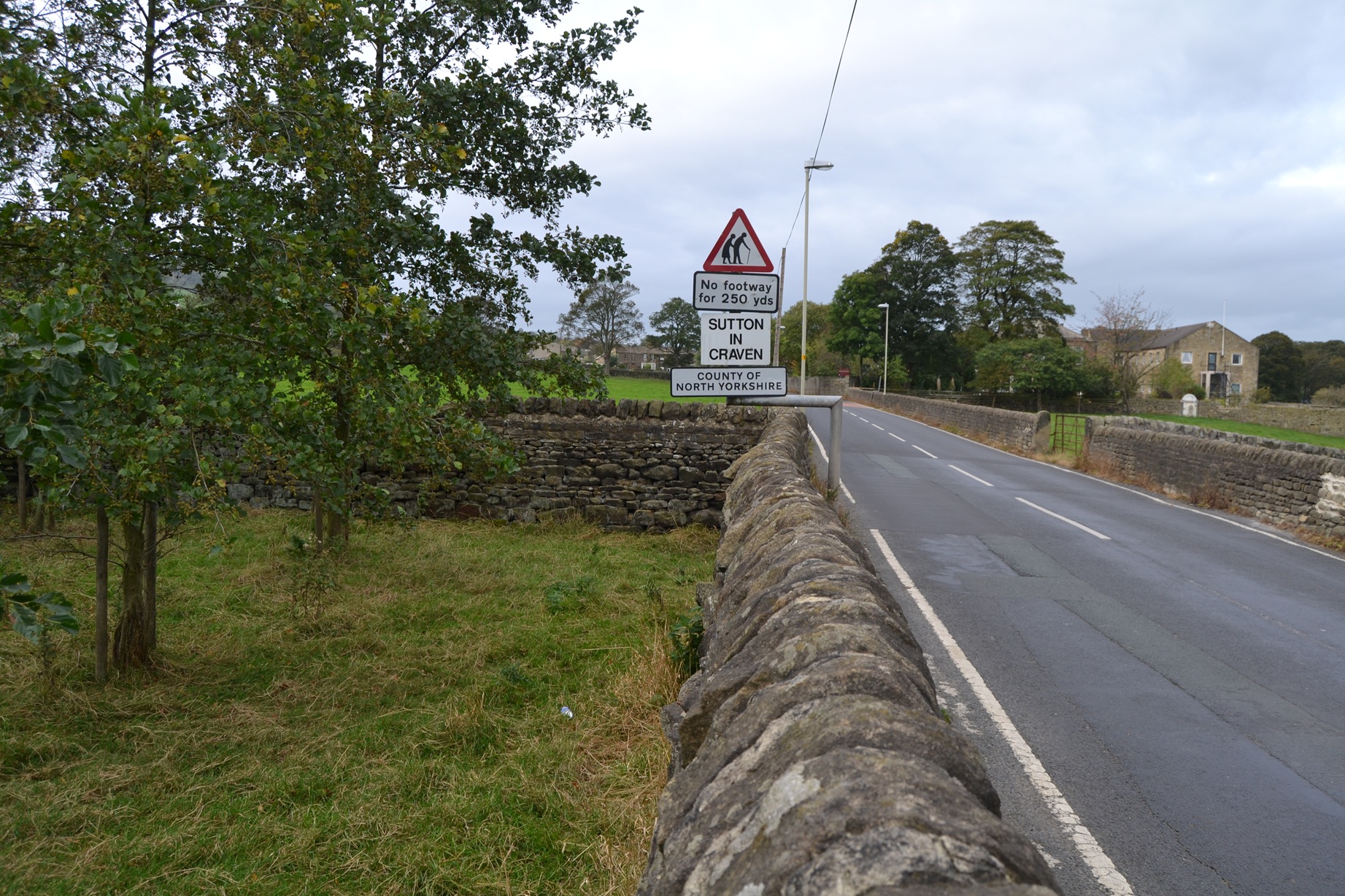
A field wall running alongside a road with a warning sign of no footpath for 250 yards. Also there are two signs underneath this which state: 'Sutton in Craven' and 'North Yorkshire'
Approaching Sutton in Craven.

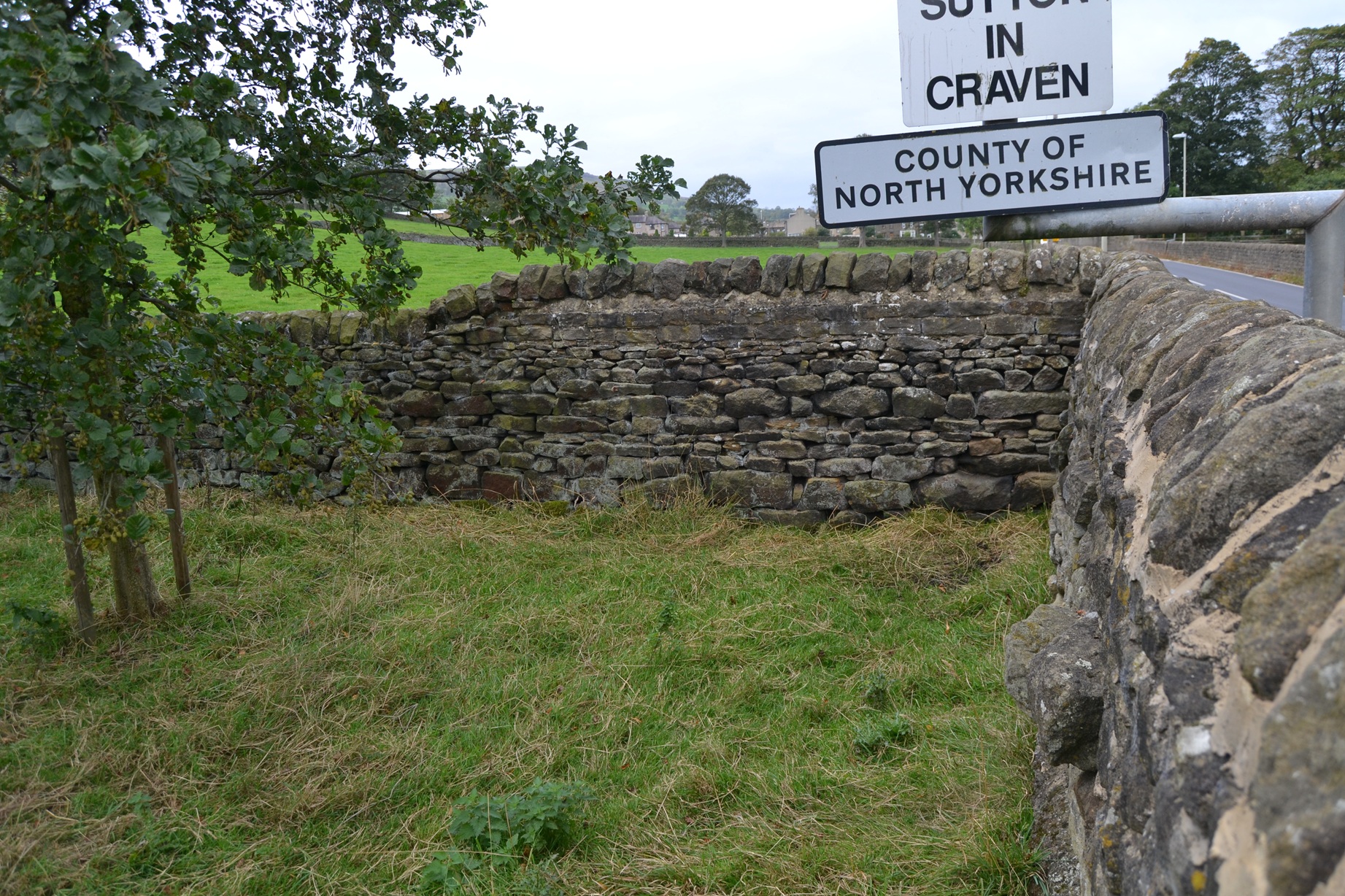
A field wall running at 90 degrees from wall alongside a road. There are two signs above this which state: 'Sutton in Craven' and 'North Yorkshire' Also, there is field grass in the foreground and a small tree to the left.
Closer view of the front of the wall.

A view over a wall with another wall running away from the view at 90 degrees to the main wall.The thicker wall is stone on the front face and thick concrete on the rear face. Approximately 18 inches thickness total.
A side view of the wall thickness.

A field wall on the left has another wall running away at 90 degrees. This end has a concrete reinforced section extending about 12 feet or 3.6 metres with a similar sized concrete platform in front.
The rear face of the reinforced concrete wall.

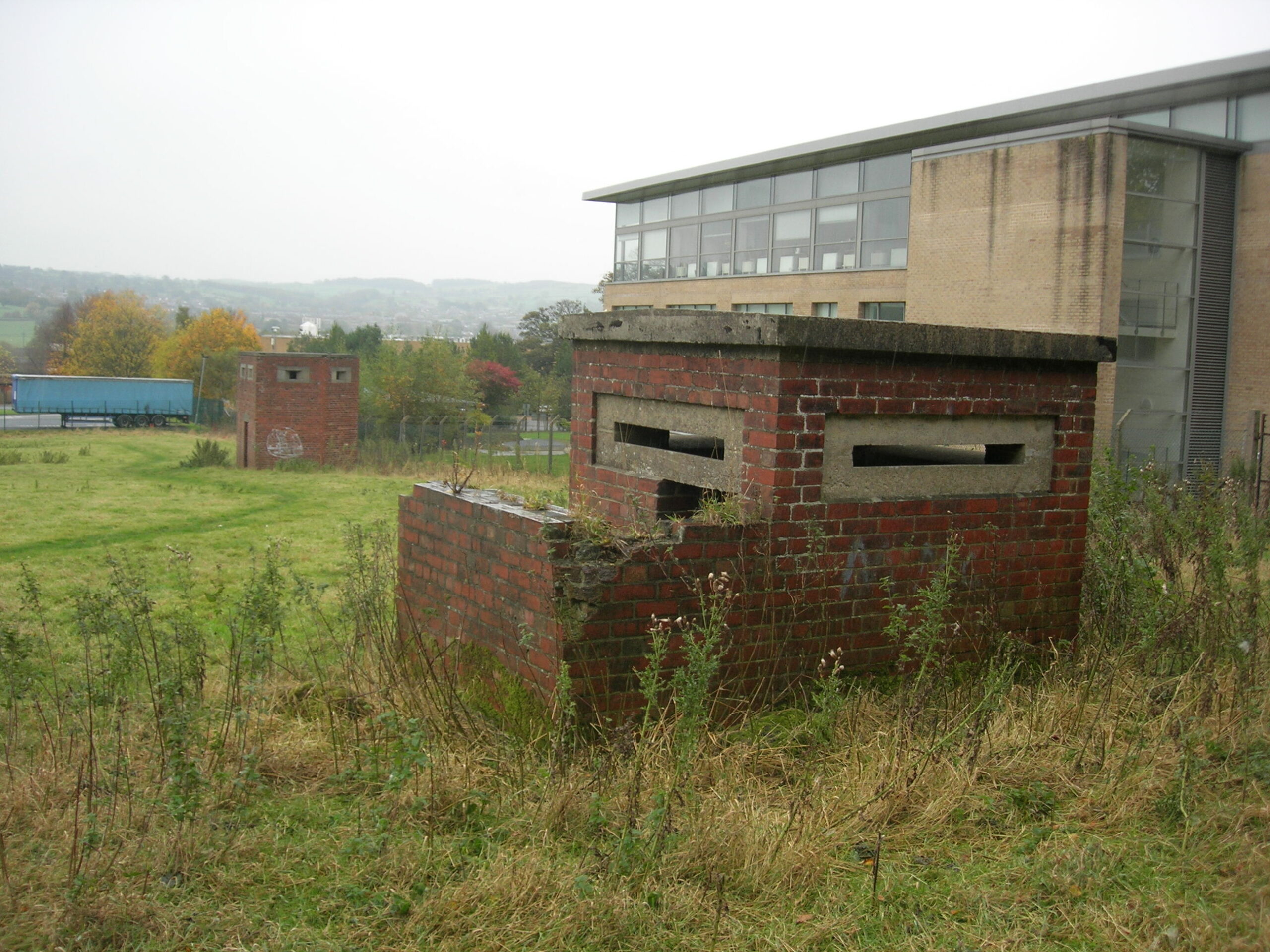
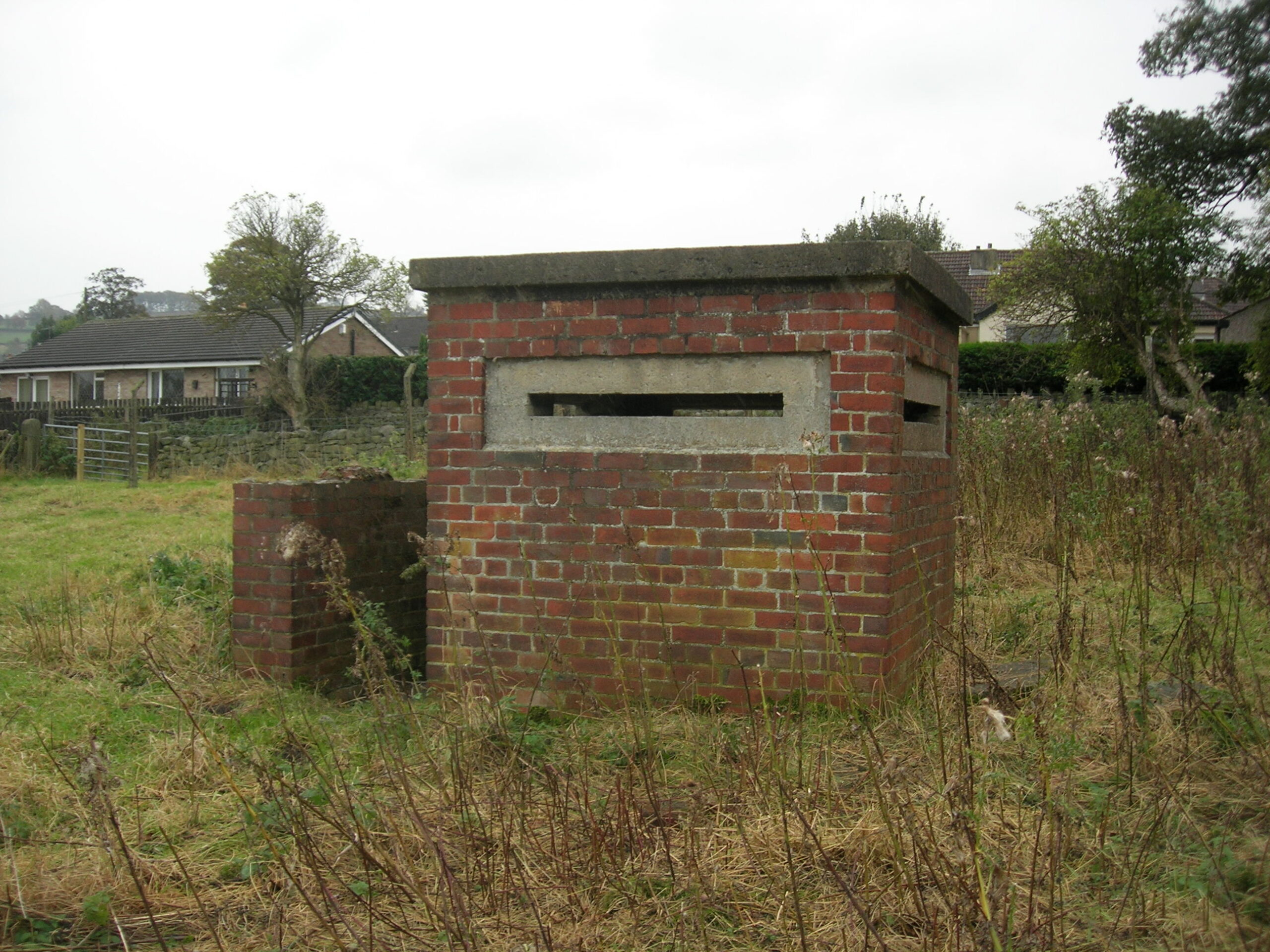
The defensive group of pillboxes which protected the Steeton Royal Ordnance Factory.

These three brick and concrete pillboxes were part of the defensive perimeter of Steeton Royal Ordnance Factory. They would have been in operation between 1941 and 1945 when the factory was producing munitions for the war effort.

In 2009 we applied for them to be listed as a defensive group and were successful, with the Grade Two listed status being conferred in December 2009.
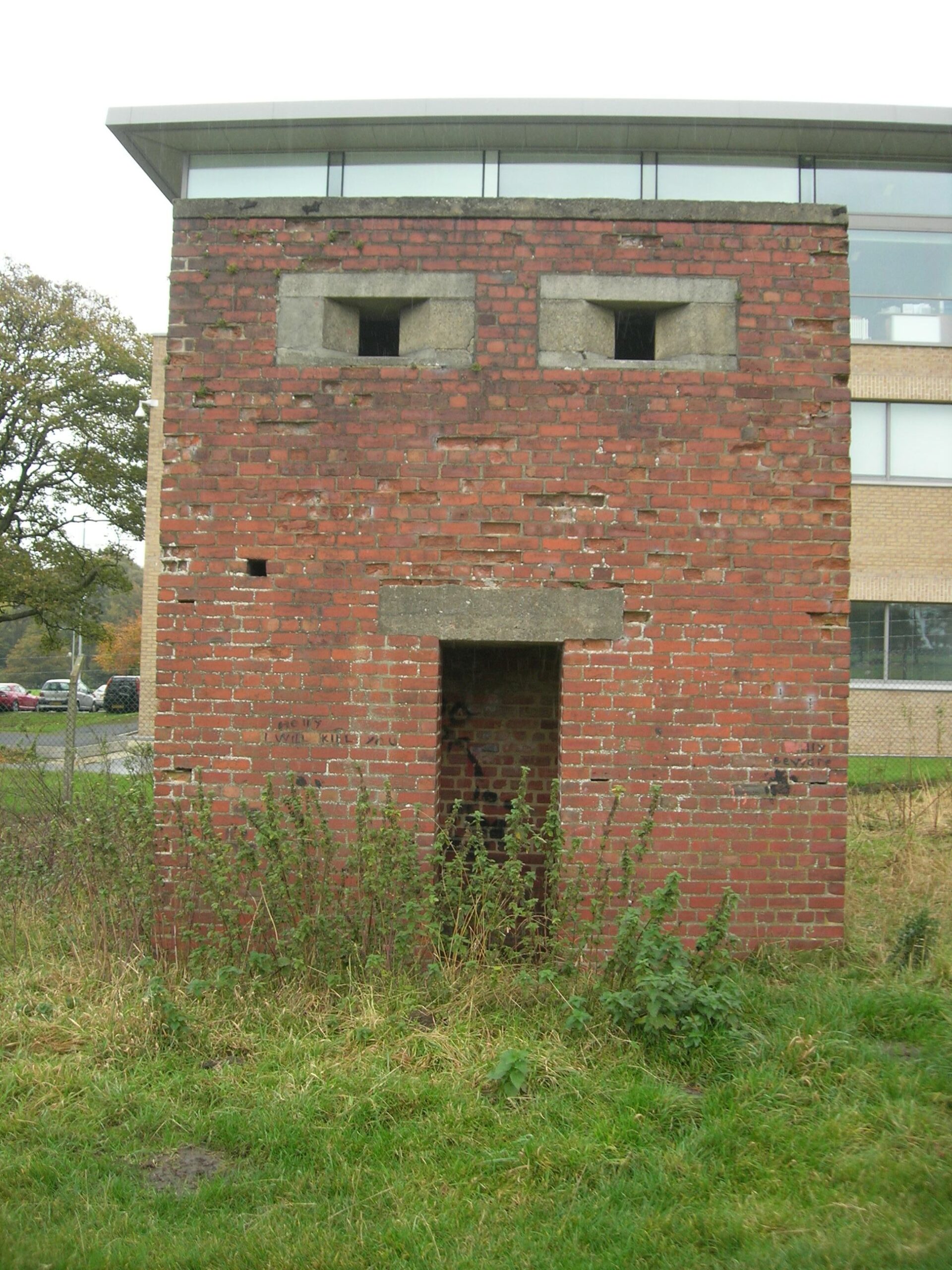
A two storey brick pillbox with two concrete loopholes or embrasures at the top, and a doorway below. It is surrounded by grass and behind it is a fence and a modern office block.
The two storey pillbox.
A small square pillbox or police post made from brick and concrete. Behind it is a modern office building and a two storey pillbox.
One of the smaller police post pillboxes.
A small square pillbox or police post made from brick and concrete. Behind it is a row of bungalow style houses.
One of the smaller police post pillboxes.
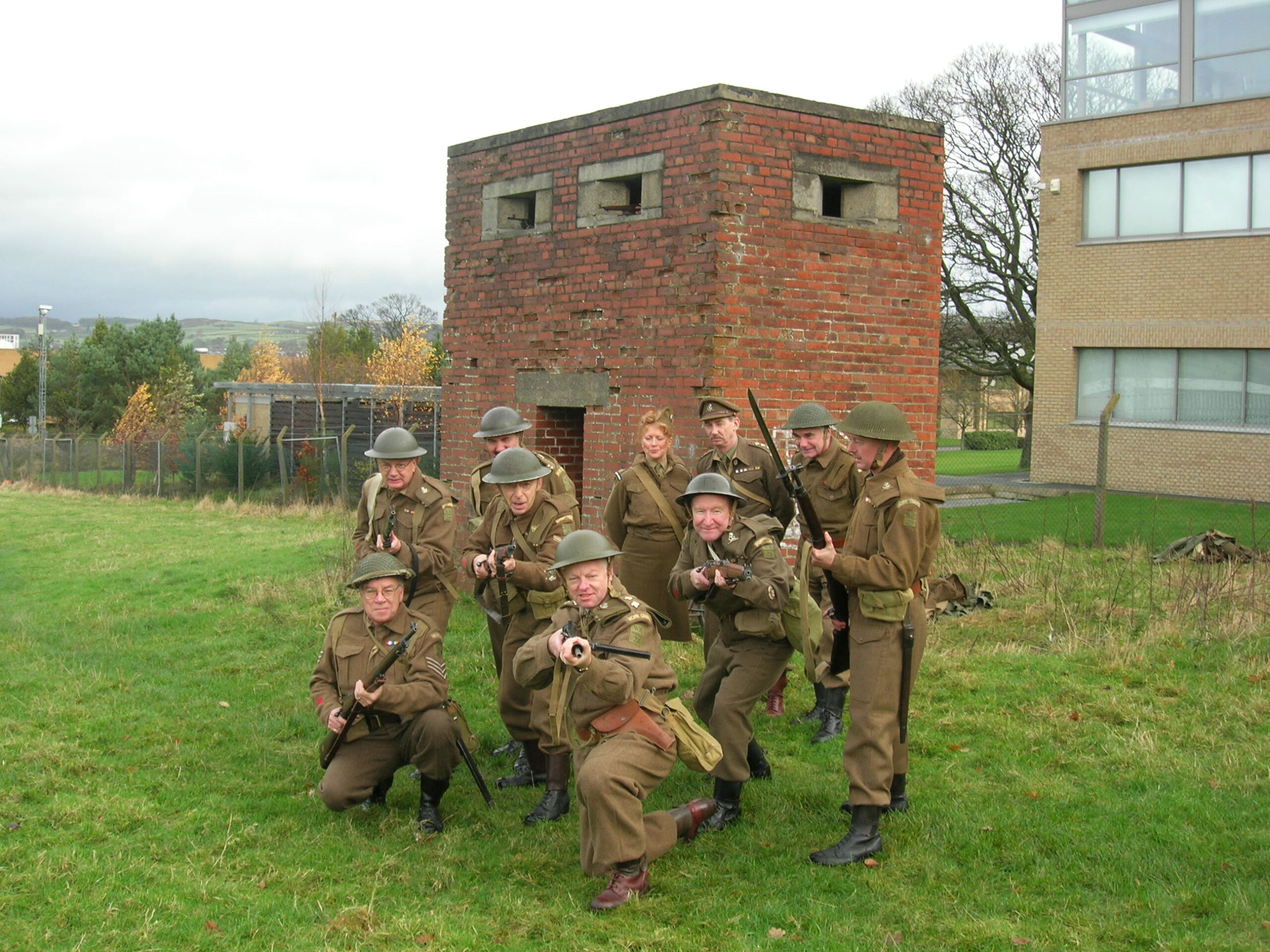
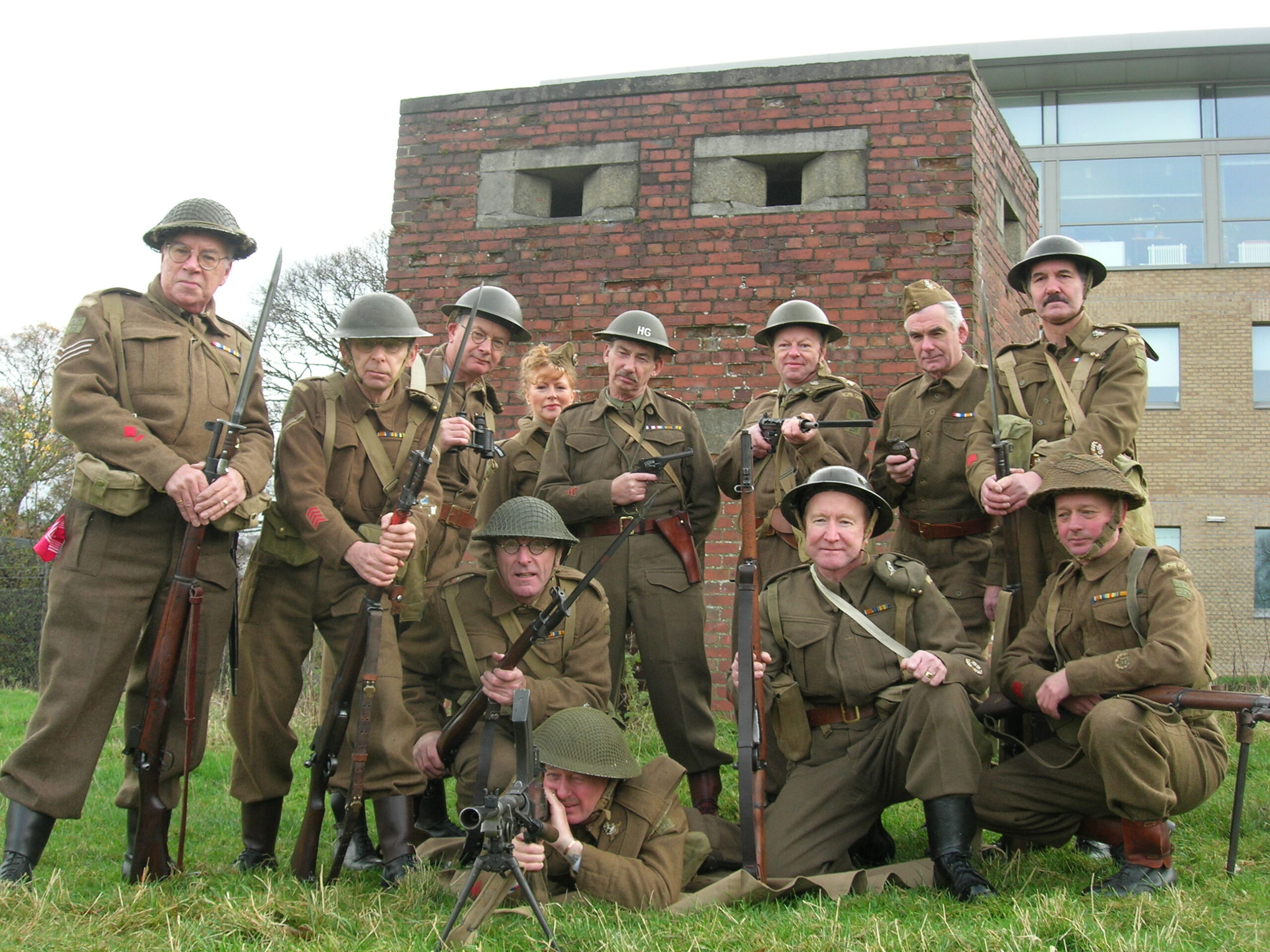
A two story pillbox in brick and concrete with several members of a Home Guard unit defending it.
The Home Guard unit defending the two storey pillbox.
A two story pillbox in brick and concrete with several members of a Home Guard unit defending it.
The Home Guard unit defending the two storey pillbox.
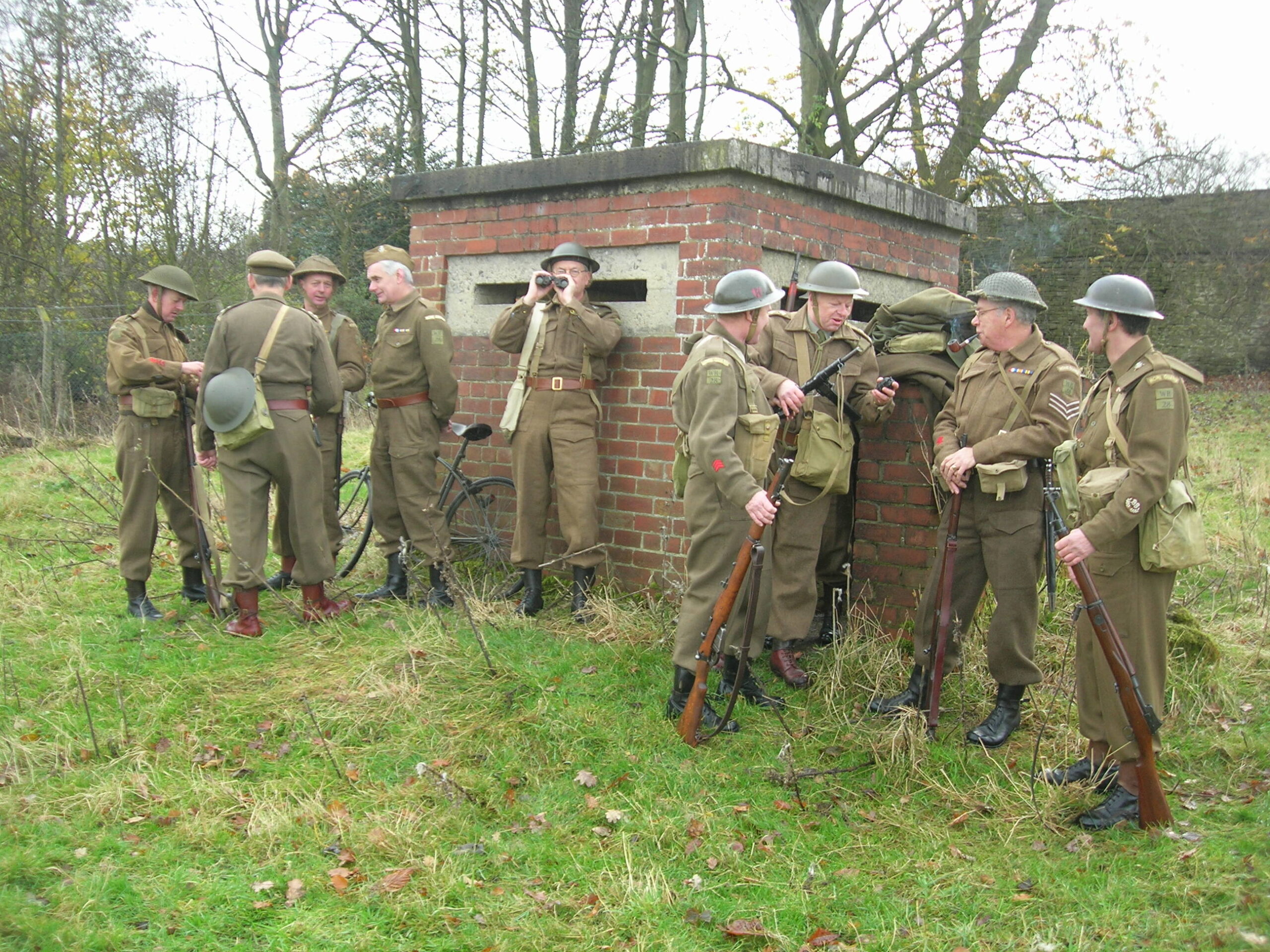
A small square pillbox or police post made from brick and concrete. In front are nine men dressed as members of a Home Guard unit.
The Home Guard defend the pillboxes.

Loading